
Behind the Wheel: The Hidden Struggles of Truck Drivers
A Typical Day: From Loading to Delivery
Efficient Loading Procedures
Early morning loading requires meticulous checks on weight distribution and vehicle condition to ensure safety and compliance with regulations.
Night time Driving Risks
Reduced visibility and limited rest opportunities during night driving increase the risk of accidents.
Highway Driving Challenges
Long stretches on highways demand constant vigilance to manage traffic, weather changes, and fatigue, highlighting the driver's critical role in logistics.






Challenges Faced on the Road: Fatigue and Delays
Health Risks of Fatigue
Chronic fatigue among truck drivers leads to severe health issues, including cardiovascular problems and mental health disorders, necessitating urgent attention to their working conditions and rest opportunities.
Financial Consequences of Delays
Delays not only disrupt schedules but also incur financial penalties, affecting drivers' earnings and company profitability, highlighting the need for efficient route management and timely deliveries.
Systemic Change Required
Addressing the intertwined issues of fatigue and delays demands a comprehensive approach, including policy reforms and investment in driver support systems to enhance safety and operational efficiency.






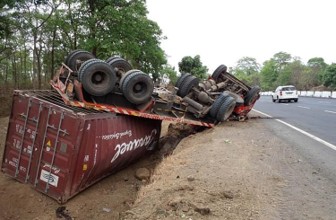
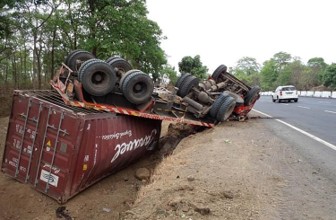
Truck road accidents can be caused by various factors:
● Fatigue – Long hours on the road can lead to drowsiness and reduced reaction time.
● Speeding – Exceeding speed limits increases stopping distance and crash severity.
● Distracted Driving – Use of mobile phones, eating, or other distractions can cause accidents.
● Driving Under the Influence – Alcohol or drugs impair judgment and reflexes.
● Inexperience or Poor Training – Inadequate training can lead to poor handling of large trucks.




Understanding Driver Fatigue: A Silent Epidemic
Long-Term Health Effects
Chronic fatigue can lead to serious health issues, including obesity and cardiovascular diseases among truck drivers.
Critical Safety Risks
Driver fatigue significantly increases the likelihood of accidents, endangering both drivers and other road users.
Need for Systemic Change
Addressing driver fatigue requires industry-wide reforms, including better rest facilities and supportive policies.


The Pressure of Tight Schedules on Driver Well-being
Impact on Mental Health
The relentless pressure of tight schedules leads to increased stress and anxiety among drivers, adversely affecting their mental health and overall job performance on the road.
Safety Risks from Fatigue
Tight delivery timelines often force drivers to compromise on rest, significantly increasing the risk of fatigue-related accidents, which jeopardizes their safety and that of other road users.
Health Risks Associated with Poor Sleep Conditions
Cognitive Impairments
Long-term inadequate sleep is linked to obesity, diabetes, and cardiovascular diseases, exacerbated by the sedentary nature of trucking.
Chronic Health Issues
Sleep deprivation leads to decreased alertness and slower reaction times, significantly increasing the risk of accidents on the road.
Mental Health Decline
Poor sleep contributes to mood disorders like anxiety and depression, further impairing drivers' performance and overall well-being.
Investing in Driver Welfare for a Sustainable Future
Prioritizing driver welfare is essential for enhancing job satisfaction, reducing fatigue-related accidents, and ensuring the efficient operation of the freight logistics industry.