
Transforming India's Truck Driver Welfare
Section 1 - The Current Landscape of Truck Driving in India
Section 2 - Addressing the Challenges
Section 3 - Vision for the Future
The Current Landscape of Truck Driving in India
Section 1


Driver Welfare Challenges
Addressing the critical issues of inadequate facilities, sanitation, and nutrition for truck drivers is essential to enhance their well-being, reduce fatigue, and improve overall efficiency in India's freight movement sector.
The Role of Truck Drivers in the Economy
Economic Backbone
Truck drivers are essential for transporting goods, directly impacting supply chains and market stability.
Employment Catalyst
Their work supports numerous ancillary services, creating jobs and stimulating local economies.
Welfare Importance
Enhancing driver welfare leads to improved productivity, operational efficiency, and overall economic growth.
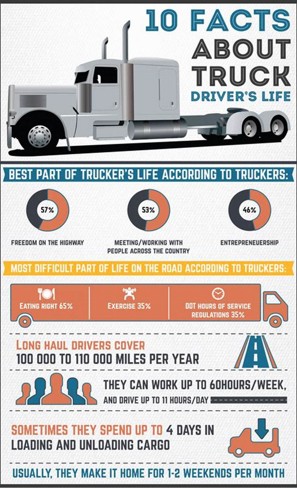
The Impact of Driver Fatigue on Logistics






Economic Costs of Fatigue
Driver fatigue leads to significant economic losses, including increased accident rates, vehicle repairs, and penalties, ultimately affecting customer trust and long-term business relationships in logistics.
Operational Efficiency Decline
Fatigued drivers contribute to operational inefficiencies, resulting in cargo damage, increased delays, and reduced service responsiveness, which can disrupt entire supply chains and production schedules.
Safety Risks on the Road
The presence of fatigued drivers heightens safety risks, as impaired judgment and slower reflexes can lead to accidents, endangering not only drivers but also other road users.
Addressing the Challenges
Section 2
Identifying Key Issues in Driver Welfare
1) Inadequate Sanitation Facilities
Lack of clean washrooms and safe resting areas severely impacts drivers' health and well-being, necessitating urgent infrastructure improvements.
2) Health Risks from Fatigue
High levels of fatigue among drivers lead to chronic health issues, emphasizing the need for better healthcare access and support systems.
3) Nutritional Deficiencies
Limited access to nutritious food options contributes to poor health outcomes, highlighting the importance of improving meal availability at rest stops.
Long hours and limited access to healthcare contribute to serious health issues among truck drivers, including obesity and mental health disorders, necessitating urgent attention to their well-being.
Proposed Solutions for Improved Facilities
Modular Facility Design
Implementing modular setups at strategic locations will provide truck drivers with essential amenities, enhancing their comfort and dignity while addressing regional needs effectively.
Integrated Health Services
Incorporating comprehensive health services within these facilities will ensure drivers have access to regular check-ups and mental health resources, promoting overall well-being and job performance.
The Role of Corporations in Supporting Drivers
Strategic Investment in Welfare
Corporations can enhance operational efficiency and brand loyalty by investing in driver welfare initiatives, such as improved rest facilities and health services, ultimately leading to a more productive and satisfied workforce.
Benefits of Enhanced Driver Welfare
Enhanced Job Satisfaction
Prioritizing driver welfare minimizes fatigue-related delays, ensuring timely deliveries and enhancing overall supply chain performance.
Boosted Operational Efficiency
Improved working conditions lead to higher job satisfaction, reducing turnover rates and associated recruitment costs for companies in the freight industry.
Strengthened Corporate Reputation
Companies investing in driver welfare enhance their brand image, attracting customers and investors who value corporate social responsibility and ethical practices.
Vision for the Future
Section 3
Goals for Transforming Driver Welfare
1) Infrastructure Upgrades
Develop modern facilities to ensure drivers have access to hygiene, nutrition, and safe resting areas.
2) Health Initiatives
Implement regular health check-ups and mental health support to enhance drivers' overall well-being.
3) Community Engagement
Foster recognition and appreciation for drivers through advocacy campaigns and celebratory events.
Collaborations with Stakeholders
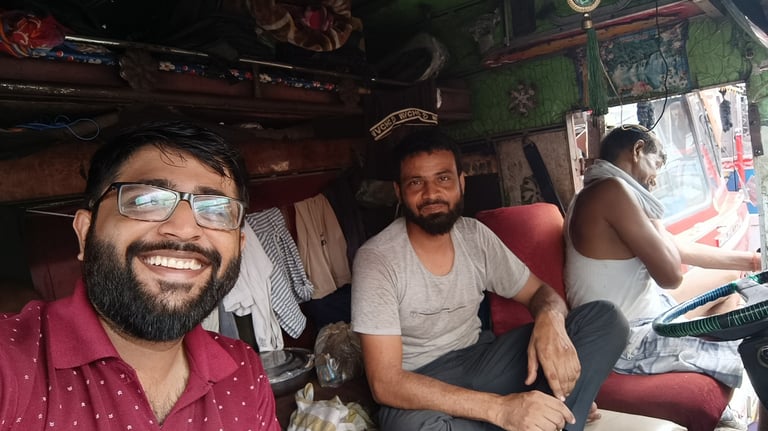


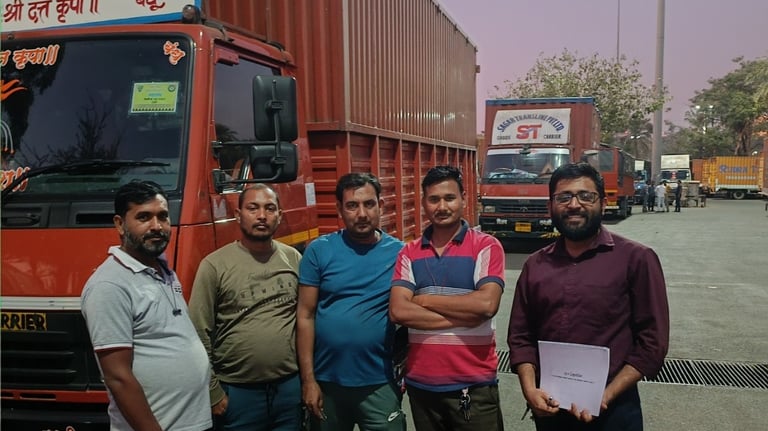
Diverse Stakeholder Perspectives
Engaging various stakeholders, including government, corporations, and NGOs, ensures a holistic approach to addressing truck driver welfare, leveraging unique insights and resources for effective solutions.
Policy and Infrastructure Support
Collaborations with government entities can lead to the development of supportive policies and infrastructure improvements, enhancing facilities that directly benefit truck drivers' health and safety.
Community-Driven Initiatives
Involving local communities in welfare programs fosters grassroots support, ensuring that initiatives are tailored to the specific needs of truck drivers and promoting sustainable engagement.